

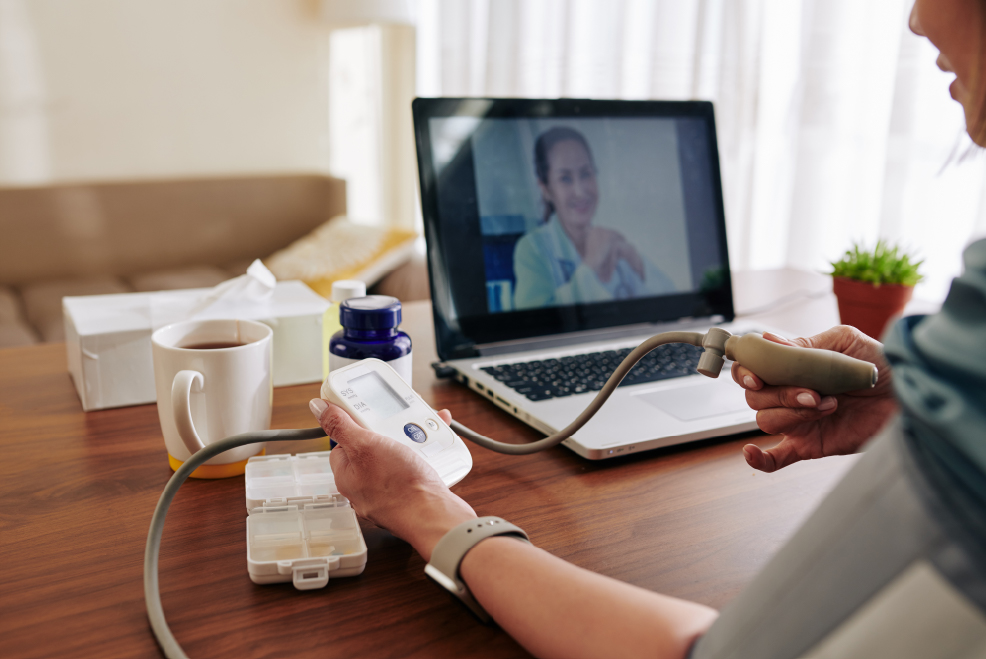
Remote Patient Monitoring (RPM)
Our Remote Patient Monitoring (RPM) supports obesity management by enabling continuous tracking of weight, BMI, activity levels, adherence patterns, and other wellness indicators between visits. Using connected monitoring devices and digital health tools, care teams can improve visibility into patient progress, identify early risk patterns, and support timely intervention when needed. RPM also helps strengthen lifestyle engagement, accountability, and long-term participation in weight management programs while supporting more proactive obesity care coordination and continuous patient engagement.

Chronic Care Management (CCM)
Our Chronic Care Management (CCM) supports obesity management through continuous patient engagement, structured follow-ups, and coordinated long-term care workflows for patients managing obesity and related chronic conditions. Care teams can provide ongoing lifestyle guidance, monitor patient progress, support adherence to care plans, and address barriers related to nutrition, activity, and behavioral health between visits. CCM helps healthcare organizations improve continuity of care, strengthen patient accountability, and support more proactive obesity care management while improving long-term participation and outcomes.

Principal Care Management (PCM)
Our Principal Care Management (PCM) supports patients with complex or high-risk obesity who require condition-specific monitoring, personalized interventions, and continuous care coordination. Through structured follow-ups, lifestyle management support, nutritional guidance, and ongoing progress tracking, providers can closely monitor patient outcomes and adjust care plans proactively. PCM helps healthcare organizations deliver focused obesity care for high-risk populations while improving long-term engagement, strengthening accountability, and supporting more effective weight management outcomes.

Behavioral Health Integration (BHI)
Our Behavioral Health Integration (BHI) supports obesity management by addressing behavioral, emotional, and lifestyle-related factors that can impact long-term weight management success. Through coordinated behavioral health support, ongoing patient engagement, and structured care coordination, providers can help patients manage challenges such as stress, anxiety, depression, motivation, and adherence barriers that may affect lifestyle modification efforts. BHI helps healthcare organizations deliver more holistic obesity care while improving patient participation, strengthening long-term engagement, and supporting more sustainable weight management outcomes.
Remote Therapeutic Monitoring (RTM)
Our Remote Therapeutic Monitoring (RTM) supports COPD management by helping providers track therapy adherence, inhaler usage, medication routines, and pulmonary rehabilitation participation between visits. By monitoring non-physiological treatment data, care teams can identify adherence gaps, support timely intervention, and improve visibility into how patients manage their respiratory care plans outside the clinical setting. RTM also helps strengthen patient engagement, reinforce proper therapy utilization, and support more proactive long-term COPD care coordination and treatment management.