Remote Therapeutic Monitoring Software for Connected Patient Engagement

Monitor therapy adherence, recovery progress, and patient engagement through one connected RTM platform that fits directly into clinical workflows. 

Why Remote Therapeutic Monitoring Matters

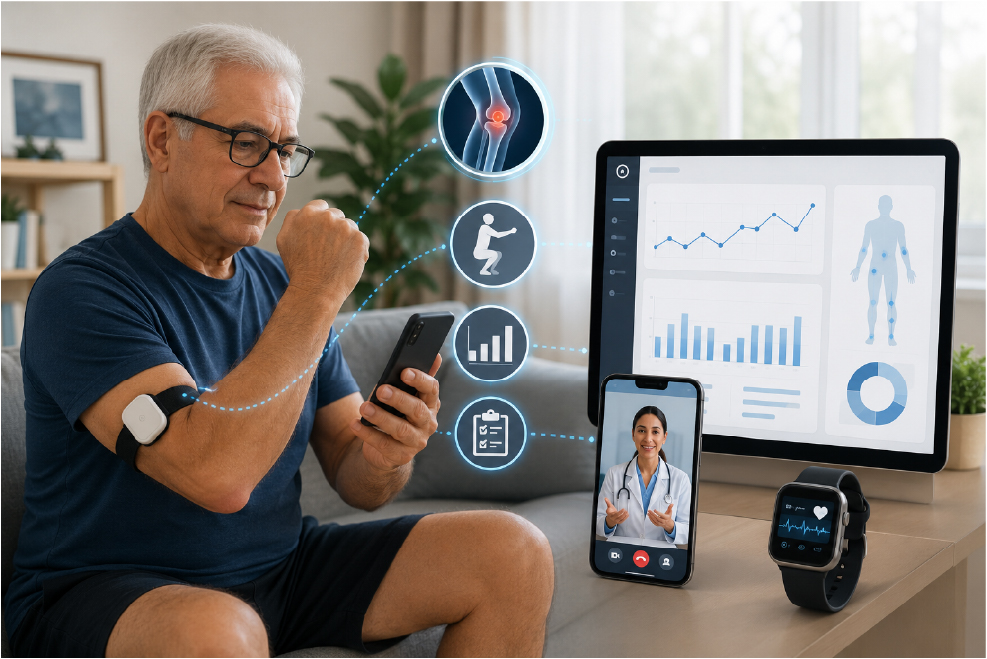
Most therapy outcomes are not lost in the clinic—they are lost between visits[cite: 1, 2]. When care is prescribed but not observed, an operational gap forms.

Staying consistent with therapy plans
Following through on recovery exercises
Accurate progress reporting to providers[cite: 1, 2]

RTM turns intermittent care into continuous visibility.

What is RTM?

A care model tracking therapy adherence, treatment participation, and recovery progress between visits[cite: 1, 2].

✓ Therapy Participation
✓ Symptom Progression[cite: 1]
✓ Patient Outcomes[cite: 2]
✓ Adherence Tracking[cite: 1]

RTM vs RPM: Clear Clinical Difference

Key Metric RPM (Remote Patient Monitoring) RTM (Remote Therapeutic Monitoring)
Data Focus Monitors physiological data (Vitals) Monitors therapy engagement
Methodology Uses medical devices & vitals Uses patient-reported activity
Clinical Use Case Chronic disease monitoring (HTN, DM) Rehabilitation & therapy tracking
Primary Output Data-driven clinical alerts Behavior + adherence tracking

Pro Tip: RTM focuses on patient participation—ensuring they actually follow what was prescribed.

Key Features of RTM Software

Therapy Adherence Tracking

Therapy Adherence Tracking

Monitor patient participation in prescribed therapy programs between visits.
Recovery Monitoring

Track rehabilitation progress and patient-reported improvements over time.
Patient Engagement Workflows

Maintain structured communication through reminders and follow-up workflows.
Patient-Reported Outcomes

Collect symptoms, pain levels, and recovery feedback directly from patients.
Care Coordination Tools

Align therapists, physicians, and care teams around shared patient visibility.
Reporting & Insights

Track engagement trends, adherence patterns, and workflow performance.
RTM Documentation Support

Maintain structured documentation aligned with RTM program requirements.

Built for Connected Clinical Workflows

Unify communication, documentation, and tracking into one cohesive system.

Reporting & Analytics

Gain visibility into therapy adherence trends, engagement levels, and overall program effectiveness.

Value-Based Care

Align therapy delivery with long-term patient outcomes through structured, outcome-focused monitoring.

The Continuous Care Loop

PHASE 01

Enrollment

Seamlessly onboard patients into your structured RTM program.

PHASE 02

Plan Assignment

Providers assign specific therapy or recovery plans tailored to the patient.

PHASE 03

Active Submission

Patients submit progress updates and activity reports between clinical visits.

PHASE 04

Continuous Monitoring

Care teams track adherence in real-time and adjust care based on recovery data.

Who Uses RTM Software?

Physical Therapy
Orthopedic Practices
Pain Management
Rehabilitation
Musculoskeletal
Respiratory Therapy
Primary Care

Frequently Asked Questions

RTM is a care model that tracks therapy adherence and patient progress between visits.

RTM software supports patient engagement, therapy tracking, and recovery monitoring workflows. 

RTM focuses on therapy behavior and adherence, while RPM focuses on physiological health data. 

It is used by therapy providers, rehab clinics, orthopedic practices, and primary care teams.